

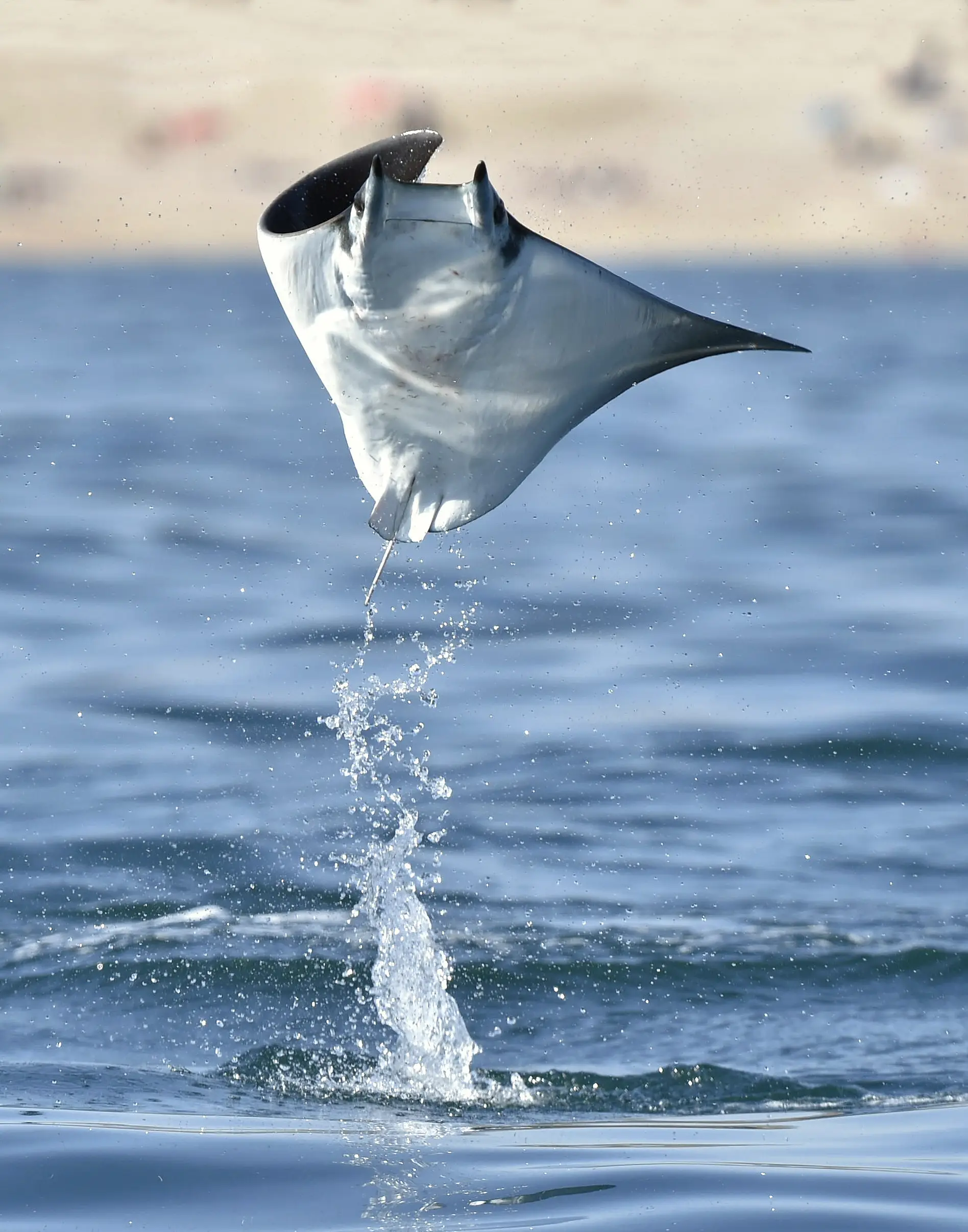
The Sea of Cortez was famously dubbed “The World’s Aquarium” by Jacques Cousteau, and for anyone who has descended into the blue waters surrounding San Carlos, it’s easy to see why. From the playful sea lion colonies at Isla San Pedro Nolasco to the massive schools of mobula rays and the cryptic nudibranchs hiding in the cracks of Window Rock, this region is a biological powerhouse.
However, being “The World’s Aquarium” comes with a significant responsibility. Our reefs and marine inhabitants face mounting pressures from climate change, habitat loss, and plastic pollution. For many divers, the transition from being a passive observer to an active protector is the most rewarding part of their underwater journey. This is where citizen science comes in.
Citizen science is the practice of public participation and collaboration in scientific research to increase scientific knowledge. In San Carlos, every time you strap on a tank, you have the opportunity to contribute to the global understanding of marine health. You don’t need a PhD to help save the ocean; you just need a mask, a set of fins, and a little bit of curiosity.
Why Divers are the Ultimate Citizen Scientists
Scientists cannot be everywhere at once. Marine biologists often deal with limited funding and narrow windows of time to conduct field research. Scuba divers, on the other hand, are in the water every single day. We see the changes that happen season to season and even day to day. We notice when a particular reef seems to have fewer groupers than last year, or when the water temperature feels unseasonably warm.
By documenting what we see and sharing that data with global databases, we provide the “big data” that scientists need to track trends, identify endangered species hotspots, and lobby for better environmental protections. Here is how you can get involved right here in San Carlos.
Mapping the Residents: Fish Identification and REEF Surveys
One of the most effective ways to help is through the Reef Environmental Education Foundation (REEF) Volunteer Fish Survey Project. This program allows divers to conduct “roving diver” surveys. Instead of following a strict grid, you simply go on your dive as usual and keep a mental or written tally of the fish species you see.
In San Carlos, this data is vital. Because we sit at a transition point where the lush tropical waters of the south meet the rugged, productive temperate waters of the north, our fish populations are unique. Recording sightings of Panamic Green Morays, Mexican Hogfish, or even the occasional Whale Shark helps researchers understand how these species are moving as ocean temperatures fluctuate.
 The Macro Perspective: iNaturalist and Nudibranch Tracking

If you’re a fan of the “small stuff,” you are perfectly positioned for citizen science. San Carlos is a haven for nudibranchs and other invertebrates. Programs like iNaturalist allow you to upload photos of your finds. Experts around the world can then verify the species.
This isn’t just a hobby. Citizen scientists using photo-identification have actually discovered new species and mapped the range extensions of others. When you find a rare nudibranch at a site like Eagle Rock and upload that photo with a GPS tag, you are adding a literal data point to the map of Mexican biodiversity.
Fighting the Invisible Threat: Dive Against Debris
While the Sea of Cortez is often pristine, the tides and currents can occasionally bring in “ghost gear” or land-based plastics. Ghost gear—abandoned fishing nets and lines—is particularly dangerous in our waters because it continues to catch and kill marine life like turtles, rays, and even sea lions long after the fishermen have gone.
Participating in a “Dive Against Debris” is a direct way to help. But it’s not just about picking up the trash; it’s about the data. By reporting the types and quantities of debris found at specific sites in San Carlos, we can help PADI AWARE and other organizations identify the sources of pollution and push for better waste management and fishing regulations.
Supporting the SAAS Wreck Park and Artificial Reefs
The development of the Sistema Arrecifal Artificial Sonorense (SAAS) wreck park is a massive win for San Carlos. When ships like the Ex-Santos are intentionally sunk, they do more than just provide a playground for divers; they create new habitats.
As a diver, you can help monitor the “recruitment” of life on these wrecks. Observing how quickly coral begins to grow on the metal or which fish species are the first to call a new wreck home provides invaluable data on how artificial reefs can help take the pressure off natural reef systems.
Protecting the Sea Lion Colonies
A trip to San Carlos isn’t complete without visiting the sea lions at San Pedro Nolasco. These animals are a keystone species for our region. Citizen science here often involves photo-identification of individuals or reporting animals that appear to be entangled in fishing line.
By practicing responsible diving—maintaining neutral buoyancy and keeping a respectful distance—you ensure that these colonies remain healthy. Reporting any sightings of “necklaces” (fishing line or plastic rings caught around a sea lion’s neck) to local dive masters can trigger professional disentanglement efforts that save lives.
How to Get Started on Your Next Dive
The best part about citizen science is that it doesn’t require extra gear or complicated training. Here is a simple checklist for your next trip to San Carlos:
-
Sharpen Your ID Skills: Take an SSI Fish Identification or Invertebrate Ecology course. Knowing what you’re looking at is the first step toward protecting it.
-
Perfect Your Buoyancy: You cannot be an effective scientist if you are crashing into the reef. Mastering your trim and buoyancy ensures your “presence” doesn’t cause more harm than your data causes good.
-
Bring a Camera: You don’t need a professional rig. Even a basic underwater housing for a phone or a GoPro can capture the evidence scientists need to verify a sighting.
-
Record and Report: Use apps like REEF.org, iNaturalist, or the PADI AWARE app to log your data as soon as you get back to the docks.
The Legacy of the Diver
We are the eyes and ears of the ocean. In a place as special as San Carlos, we have the privilege of witnessing some of the most spectacular marine life on the planet. By integrating citizen science into our diving lifestyle, we ensure that the “World’s Aquarium” stays open, vibrant, and healthy for the next generation of explorers.
The next time you descend into the Sea of Cortez, remember: you aren’t just a visitor. You are a guardian.