

Ask ten divers what they love about San Carlos and you’ll get ten different answers. One will rave about the sea lions, another about a wall dropping into the blue, a third about an hour spent photographing a single nudibranch on a sandy slope. That variety is the whole point — the Sea of Cortez packs an enormous range of diving into a compact, easy-to-reach stretch of coast.
If you’re planning a trip and wondering what you’ll actually dive, here’s a tour of the highlights around San Carlos, and the kind of experience each one offers.
A surprising amount of variety
San Carlos sits on the mainland side of the Sea of Cortez, and the diving nearby covers rocky pinnacles, islands, walls, sandy slopes and purpose-built structure. In a single trip you can go from a high-energy dive surrounded by barking sea lions to a slow, quiet potter over the sand looking for the weird and tiny. Few destinations give you that spread without long boat rides between them. You can see the full picture of what’s on offer on the diving page, but these are the sites that tend to stick in people’s memories.
Isla San Pedro Nolasco: the headline act

If San Carlos has a signature dive, this island is it. Isla San Pedro Nolasco is a rocky island ringed by pinnacles, boulders and drop-offs, and it’s home to a lively colony of sea lions. The young ones are endlessly curious — they’ll buzz past, blow bubbles and tug at the edge of your attention while you try to take it all in.
Beyond the sea lions, the island’s structure gathers life: schooling fish wrapping around the pinnacles, invertebrates crusting the rock, and the chance of something bigger cruising past in the blue. Conditions can range from calm and gentle to a bit of current and surge, so it rewards a diver who’s comfortable and aware. For many people, a dive here is the day they fell for San Carlos.
The SAAS artificial reef
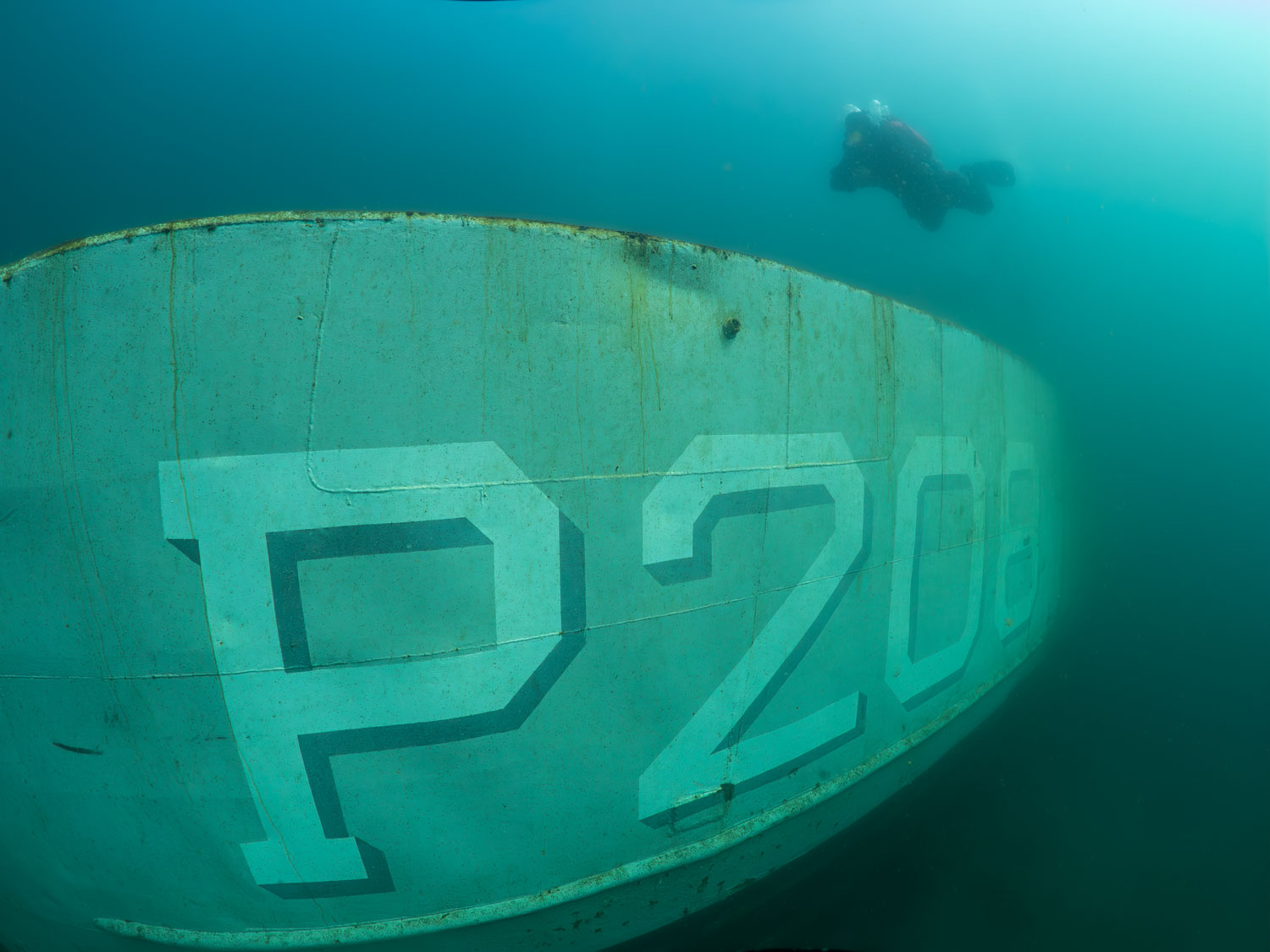
One of the most interesting projects in the area is the Sistema Arrecifal Artificial Sonorense (SAAS) — a purpose-built artificial reef created to give marine life new structure to colonise and divers a fresh site to explore. Artificial reefs like this do a quietly brilliant job: drop solid structure onto an otherwise featureless bottom and, over time, it becomes a magnet for life, from the first algae and invertebrates through to the fish that move in to feed and shelter.
It makes for a fascinating dive precisely because you’re watching an ecosystem establish itself. It’s also a great site for working on buoyancy and for photographers, who get defined subjects and structure to compose around rather than open sand.
Wrecks and structure
Sunken structure has a pull all its own, and San Carlos offers wreck diving for divers who love exploring something with a story and a shape. Wrecks and large structures become artificial reefs in their own right, drawing fish and growth and giving a dive a sense of discovery. Depending on the site and your training, these can be dives to admire from the outside or more advanced undertakings — your crew will match the site to your experience.
Sandy slopes and the macro world

Not every great dive is about big drama. Some of the most memorable hours in San Carlos happen on unremarkable-looking sand and rubble, where the real reward is slowing down and looking closely. This is nudibranch and critter territory — the small, colourful, bizarre animals that make the Sea of Cortez a macro photographer’s playground. Once your eye tunes in, a patch of “nothing” turns out to be full of life.
It’s also where a lot of divers quietly get better. Hovering still enough to watch a nudibranch inch along a blade of algae demands good buoyancy and calm, slow breathing, so the ‘easy’ sites often end up teaching you the most about diving well.
Night dives add another layer again. After dark the reef changes shift — octopus and other hunters come out, crustaceans emerge from the cracks, and colours leap out under a torch beam. Even a site you’ve dived a dozen times in daylight can feel brand new once the sun goes down.
Which sites suit which divers
Newer divers aren’t shut out of any of this. Plenty of sites offer gentle, shallower profiles ideal for building confidence, while the more exposed pinnacles and deeper structure give experienced divers something to sink their teeth into. If you’re still working on your certification or your comfort, San Carlos is a fine place to do it — you can learn or level up on genuinely world-class sites rather than in a quarry at home.
The honest truth is that conditions and highlights shift with the season and the day, which is part of the fun. Tell us what you’re hoping for — sea lions, big animals, macro, wrecks — and we’ll point your trip at the sites most likely to deliver it.
Come dive the highlights for yourself
Sea lions, artificial reefs, walls and macro — all within easy reach of San Carlos. Let’s plan your trip around what you most want to see.
Explore the Diving