Macro Photography

What To Expect Diving San Carlos in February

February in the Sea of Cortez is a time of majestic transition. While the water is at its coolest (pack your 7mm!), the rewards for brave divers are unmatched. We are talking about the peak of whale migration season, the clearest visibility of the year on the SAAS wrecks, and an abundance of macro life. Discover why February is the best-kept secret for divers who prioritize big animals and stunning underwater landscapes over warm water.

Perfect Buoyancy Training: Mastering San Carlos’ Unique Underwater Terrain

In the sandy Caribbean, poor buoyancy is an annoyance. In the rugged, volcanic terrain of San Carlos, it’s a safety hazard. From navigating sharp barnacles and sea urchins to hovering motionless for a sea lion encounter, precise buoyancy is the master key to diving the Sea of Cortez. Discover how the SSI Perfect Buoyancy specialty transforms your diving, lowers your air consumption, and protects our unique environment.

Stop Taking Blue Pictures: Leveling Up Your Camera in San Carlos

You saw a vibrant reef, but your camera captured a flat, blue, disappointing image. Sound familiar? This post explains why that happens and how the Underwater Photography Specialty course is the key to unlocking incredible photos. Discover why San Carlos, with its world-class wide-angle subjects (sea lions, SAAS wrecks) and macro paradise (nudibranchs, seahorses), is the ultimate underwater studio to finally stop taking blue pictures and start creating images you’re proud of.

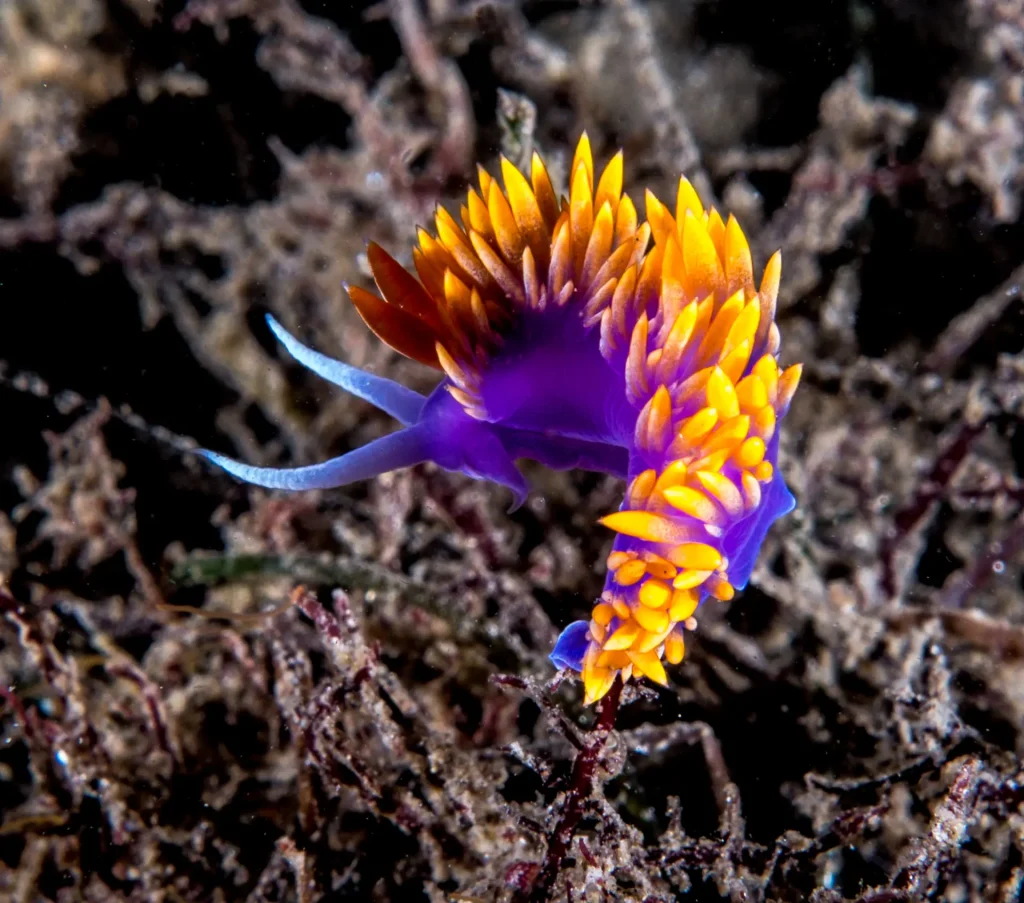
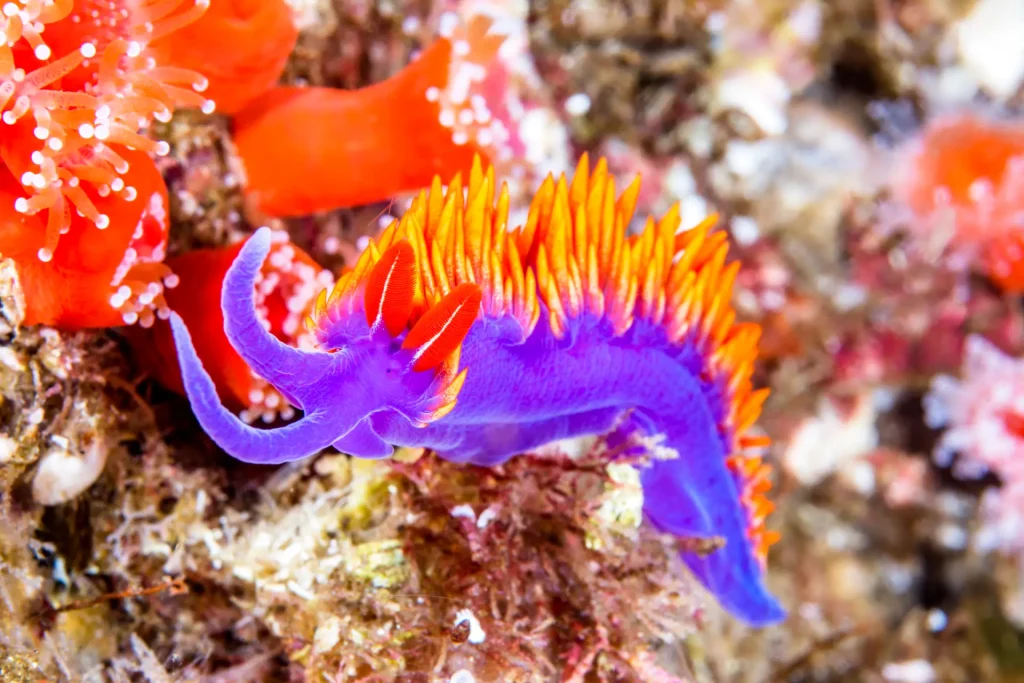
spanish shawl san carlos

A Guide to Nudibranch Spotting in San Carlos

While San Carlos is famous for big animal encounters, some of the most stunning creatures are smaller than your finger. This is your guide to the incredible world of nudibranchs—the vibrant, psychedelic sea slugs of the Sea of Cortez. Learn what they are, which species to look for like the Spanish Shawl and Hopkins’ Rose, and get expert tips on how to find these living jewels on your next scuba dive.

Scroll to Top