

While San Carlos is famous for its offshore boat trips to the SAAS Wrecks and Isla San Pedro Nalasco, sometimes the best adventures are the ones that are easiest to reach. For divers who value flexibility, accessibility, and high-quality critter hunting, one site stands above the rest: **Window Rock**.
Located just off the main coastal road, Window Rock is San Carlos’ most popular and iconic shore dive. It’s the perfect spot for training, testing out new gear, practicing photography, or enjoying a tranquil twilight dive. If you’re looking for a relaxing, low-effort dive that still delivers all the magic of the Sea of Cortez, here is everything you need to know about this local favorite.
The Benefit of Shore Diving: Dive on Your Schedule
The biggest draw of Window Rock is the sheer convenience. Unlike a boat dive that requires a specific schedule and a group minimum, shore diving offers ultimate freedom:
- Flexibility: Dive when the light is best for photography, or plan a dive around an optimal high tide.
- Accessibility: The entry is easy, making it perfect for Open Water training or divers carrying heavy camera equipment.
- Cost-Effective: No boat fee means you can get more dives in for less money, extending your time underwater during your vacation.
The Site: Entry, Depth, and the Famous Window
Window Rock is named for its most distinctive feature: a small, submerged archway or cave in the rock structure. This “window” is a natural swim-through that provides shelter for a host of macro life and acts as a major visual landmark for divers.
Entry: The entry is generally easy, often involving a simple step into the water or a short, shallow walk across a small, rocky beach area. Be sure to check the tide chart, as higher tides make the entry even smoother.
Depth: The site is fantastic because the best parts are relatively shallow. You can easily spend an entire dive in the 30–50 foot (9–15 meter) range, making it ideal for longer bottom times and extended photography sessions.
Topography: The site features sloping rocky reefs interspersed with sand channels and large boulder formations. It’s a complex, sheltered area that gives small animals plenty of places to hide.
What Comes Alive at Window Rock: The Marine Life
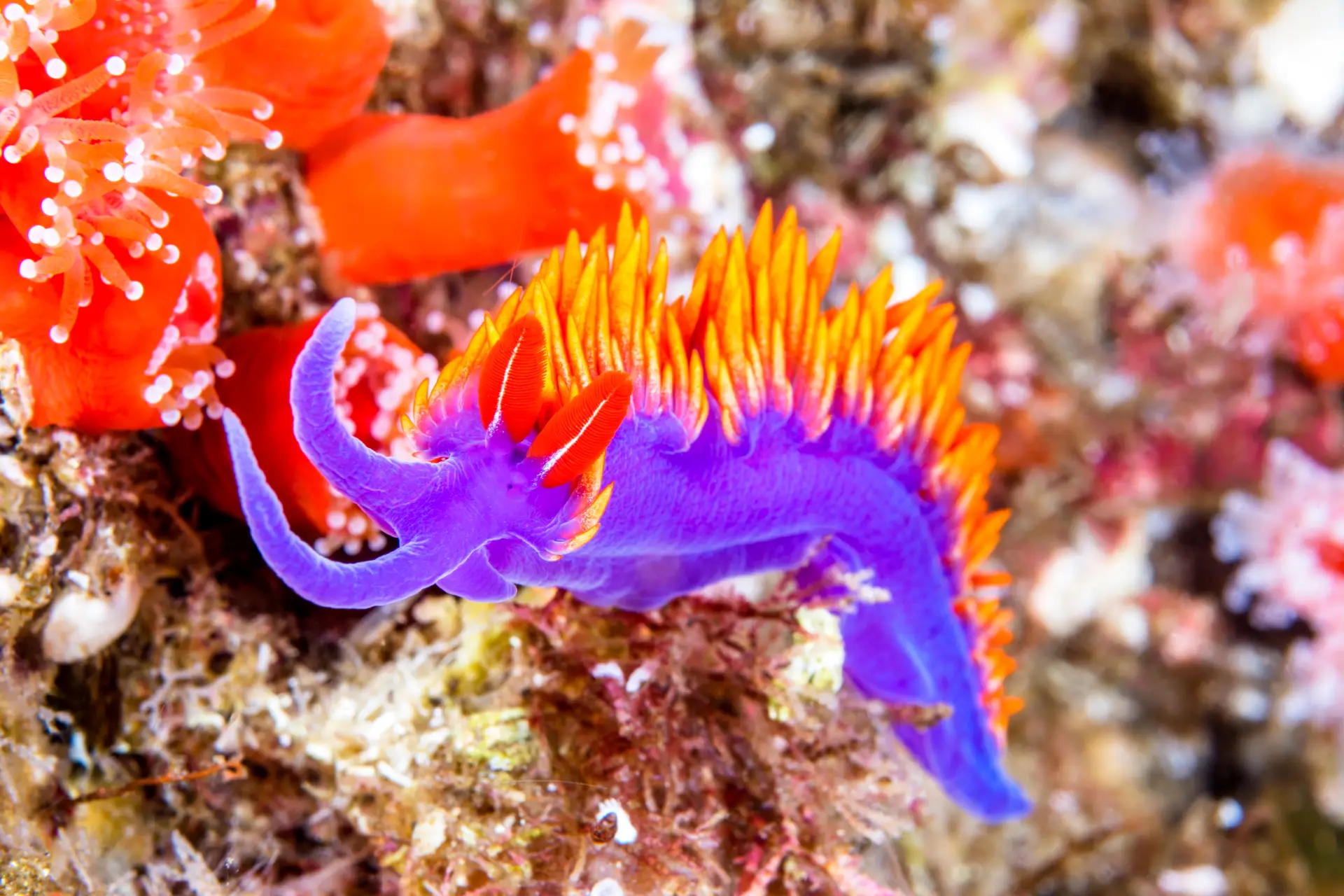
Window Rock is not known for massive pelagics or giant wrecks; it’s known for the abundance and variety of its macro life. It’s a photographer’s dream and a crucial nursery site for the local ecosystem.
- The Jawfish Colony: Patience at the sand channels can be rewarded with sightings of the Bluespotted Jawfish and Finespotted Jawfish. Watch as these comical creatures tend their burrows and hover vertically above the sand.
- Octopus and Moray Eels: The countless crevices and rocks are perfect homes for both California Two-Spot Octopus (often seen out and about during the day and especially at twilight) and various species of Moray Eel. Look closely under ledges!
- Juvenile Fish: Because the site is sheltered and rich in structure, it is a prime nursery. You can often spot juvenile angelfish, wrasses, and puffers here before they venture out to the deeper reefs.
- Nudibranchs and Shrimp: Keep a sharp eye on the sponges and hydroids for a variety of colorful nudibranchs and tiny symbiotic shrimp hiding in the coral rubble.
- Twilight and Night Dives: Window Rock truly shines after dark. The Octopus are fully out hunting, Spanish Shawl Nudibranchs may be spotted free-swimming, and the rock formations become illuminated by the glow of flashlight fish.
Essential Tips for Diving Window Rock
To ensure your dive at Window Rock is safe and successful, keep these pointers in mind:
- Dive with a Buddy: Never shore dive alone.
- Mind the Current: While generally mild, currents can occasionally be strong, particularly on major tidal changes. Check conditions before you enter the water.
- Buoyancy Control: The reef structure is low and delicate. Practice excellent buoyancy control to avoid damaging the bottom or silting up visibility for others.
- Parking: Park safely and securely, ensuring your car is not obstructing traffic, especially if you are diving near sunset.
Window Rock is more than just a convenient dive; it’s a testament to the fact that some of the best diving happens right under our noses. It’s the perfect place to slow down, practice your photography, and appreciate the small, incredible details of the Sea of Cortez.
Ready to explore the most famous shore dive in San Carlos? Contact us and get the latest local conditions and tips for finding the best critters!